The Art of Spending Money on The Right Things

WEALTH
The Art of Spending Money on The Right Things
OCTOBER 20, 2026 • 9 MIN READ
Where to Spend More, Where to Spend Less and How to Know the Difference
Most financial advice teaches you how not to spend money. Skip the coffee. Cancel the subscription. Buy the cheaper version. But being good with money isn’t about becoming exceptionally good at denying yourself. It’s about becoming an exceptional spender.
Because €100 spent on something that improves your health, saves you hours or gets used for years can be far more intelligent than €20 spent repeatedly on things you barely value.
The real skill is knowing the difference. What deserves your money and what only looks like it does? Learning how to spend money wisely may be one of the most underrated financial skills you can build.
Spend More Where the Cost per Use Becomes Smaller
One of the simplest ways to decide when to spend more is to stop looking only at the price tag and start looking at cost per use. A $180 coat worn 150 times costs $1.20 per wear. A $45 trendy jacket worn twice costs $22.50 per wear. The cheaper purchase was considerably more expensive.
This is where intentional spending becomes practical. Consider paying more for things you use constantly: a mattress you sleep on every night, shoes you walk in for hours, a coat you wear for years, luggage you repeatedly travel with, a desk chair you work from daily or kitchen equipment you genuinely use.
But price and quality are not synonyms. Expensive is only worth it when the extra money buys something meaningful, better materials, comfort, durability, repairability, performance or considerably more use.
Before upgrading, ask: What exactly am I getting for the extra $100? If you can’t identify it beyond branding, packaging or prestige, you may not be buying better. You may simply be buying more expensive.
Spend on Things That Buy Back Time, Health or Quality of Life
Some of the best things to spend money on don’t look luxurious at all. They quietly make your ordinary Tuesday better. Money spent on preventative healthcare, nutritious food you’ll actually eat, comfortable shoes, exercise you enjoy, good sleep, dental care or solving a persistent physical problem can have value far beyond the transaction.
So can spending that buys back meaningful time: paying for delivery during an exceptionally busy week, outsourcing a task you hate and can reasonably afford to delegate, choosing the direct flight when the alternative consumes an entire day, or buying the appliance that saves you hours every month.
The question isn’t simply, “Could I do this more cheaply?” Almost everything can be done more cheaply. Ask instead: “What does the more expensive option give back to me?” If the answer is time, health, safety, reliability, energy or substantially better everyday quality, spending more can be financially rational.
Good spending doesn’t only protect your bank balance. It protects the life your money is supposed to support.
Know When You’re Buying the Thing and When You’re Buying the Feeling
Here is where smart spending becomes slightly psychological. We rarely buy purely functional objects. Sometimes we’re buying confidence, belonging, novelty, convenience, identity, relief, celebration or the feeling that our life is becoming the life we imagined. There’s nothing inherently wrong with that. The problem begins when we mistake the emotional promise of a purchase for its actual value.
A designer bag may genuinely delight you for ten years. Wonderful. Another may spend six months in its box after the excitement disappears. A beautiful home can meaningfully improve daily life. Constantly replacing perfectly good décor because social media introduced a new aesthetic probably won’t.
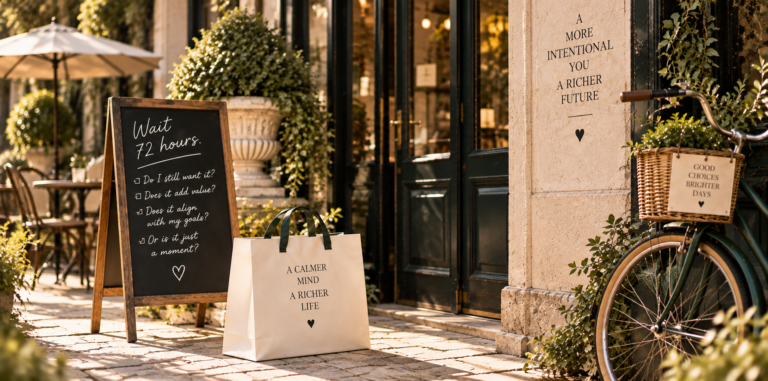
Before a discretionary purchase, try asking three questions: Would I still want this if nobody saw it? What will this improve after the initial excitement disappears? Would I rather have this or the money available for something else? That last question matters because every purchase has an invisible second price: the other thing that money can no longer do. Spend beautifully. Just know what you’re actually buying.
Save Aggressively on What Doesn’t Matter to You
You don’t need to buy the premium version of everything to live well. In fact, one of the smartest ways to afford what matters is to become wonderfully indifferent about what doesn’t.
Save on status upgrades you don’t genuinely care about. Generic household basics when the branded version offers no meaningful advantage. Trend-driven purchases with short emotional lives. Features you’ll never use. Convenience you don’t actually need. Subscriptions you’ve forgotten. Replacements for things that still work. “Better” versions purchased mainly because they exist.
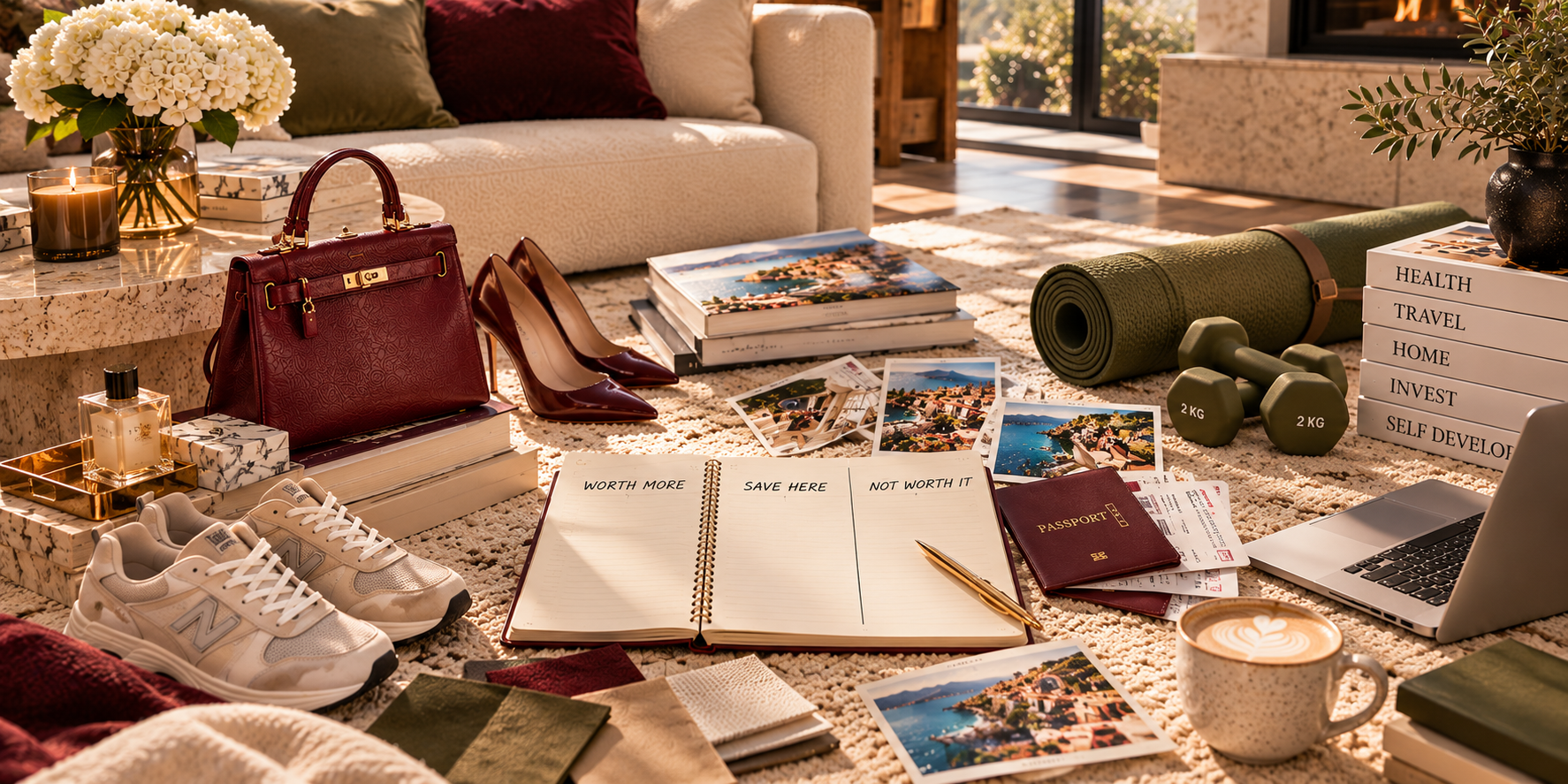
Then redirect that money toward your priorities. Maybe you happily fly economy but refuse to compromise on your mattress. Perhaps you buy inexpensive everyday clothes but spend generously on travel. You might drive an ordinary car while investing heavily in your health, education or financial independence. That isn’t inconsistency. That is a spending philosophy.
The goal of personal finance isn’t to spend as little as possible. It’s to make the gap between what you spend and what you genuinely value increasingly small.
Before buying, ask: Will this purchase improve my life, protect something important, save meaningful time, last significantly longer or give me enough genuine pleasure that I consciously choose it? If yes, it may deserve your money. If not, expensive or cheap, it may simply be clutter with a receipt.
The art of spending isn’t knowing how to say no to everything. It’s knowing what deserves an enthusiastic yes.
“Don’t become a woman who is afraid to spend. Become a woman who knows exactly what is worth spending on.”
JOIN THE NEW ME LETTER
Your next chapter starts here.
Join thousands of women becoming the highest version of themselves, inside and out.