
Would You Still Want It If It Weren’t on Sale?
MONEY & INDEPENDENCE
Would You Still Want It If It Weren’t on Sale?
NOVEMBER 24, 2026 • 4 MIN READ
Five questions to ask before you check out this Black Friday.
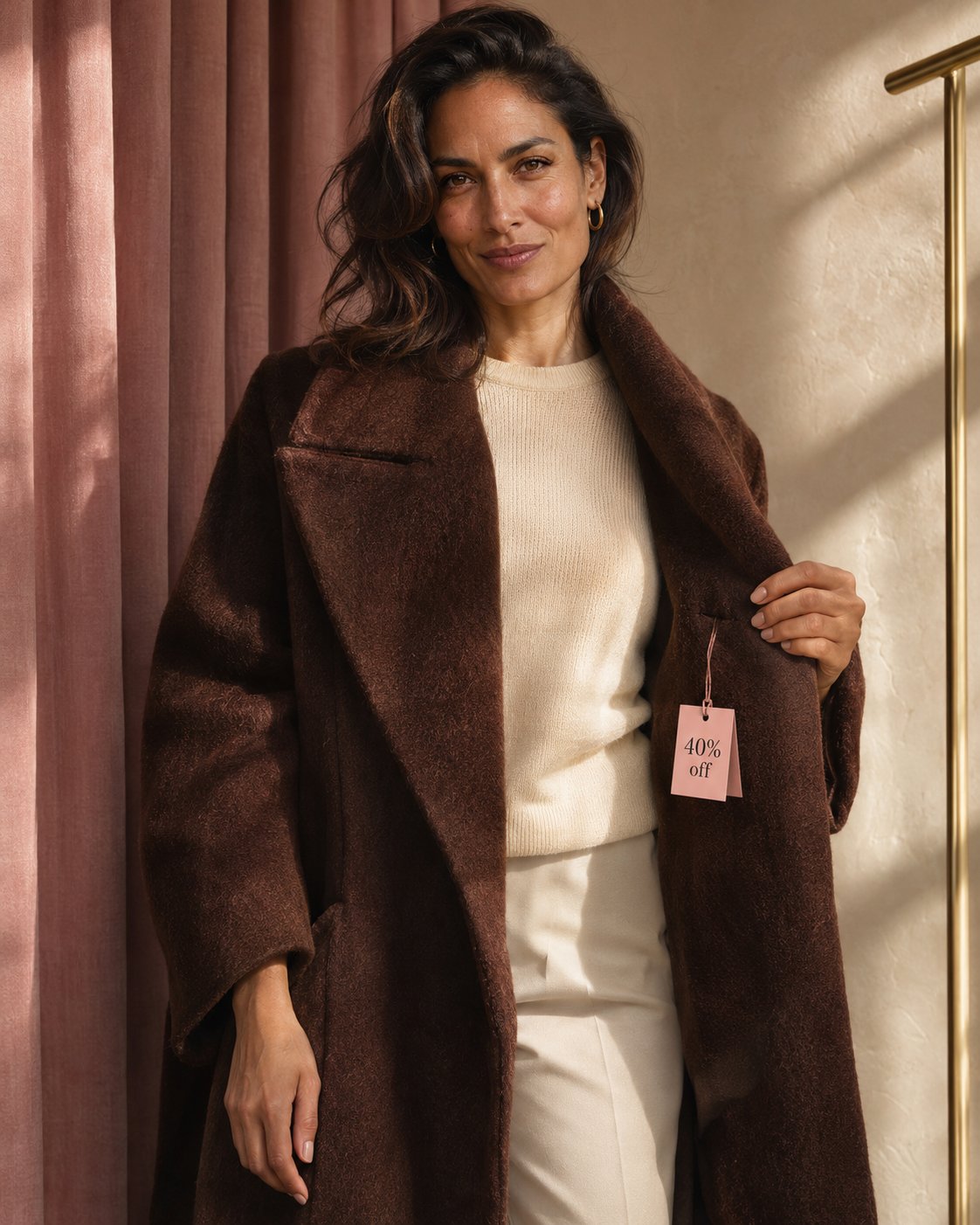
On Monday, you owned enough coats. On Tuesday, the chocolate-brown one you tried on in September is 40% off. You send your sister a photo. “Look how much they’ve taken off.” She sends back a heart. You’re reaching for your bank card when you remember why you left it in the shop. The collar scratched your neck.
Funny how clearly you remembered the colour and how completely you forgot the itch. Before you check out this Black Friday, give yourself one minute with the original price covered up. There’s a better way to tell when something is worth your money.
1. Hide the original price
Imagine the coat was $200 and is now $120. For a moment, $80 feels like money you’ve gained. Open your banking app tomorrow, though, and the number you’ll see leaving your account is $120. That’s the figure to judge. Save this Black Friday shopping checklist for your next tempting offer.
- Would I want this if today’s price were the only price I’d ever seen?
- When, exactly, would I use it for the first time?
- What do I own that already does this job, and why do I keep reaching past it?
- What detail am I talking myself into accepting because it’s on sale?
- If someone handed me the checkout total in cash, would I spend it on this?
Try answering before you read another review. You already know whether the collar bothers you. What you’re looking for in those five-star comments might simply be permission to ignore what you know.
2. Picture the first Tuesday you’ll wear it
“I’ll wear it all winter” sounds convincing until you picture an actual Tuesday. You walk the children to school in the rain, catch a train, then wedge your coat beside you on a crowded seat. Suddenly, whether it has a hood or fits over a thick jumper matters more than how beautifully it hangs in the photograph.
Give the purchase a first outing. Where will you be? What will you wear with it? “Dinner with Ana on Friday, with the boots I already own” tells you something. So does needing new trousers, different shoes and an invitation before you can imagine wearing it.
Then open your wardrobe. Finding a similar coat can make a good case for buying this one. Perhaps you wear yours constantly and the lining has finally torn beyond repair. Or perhaps the last one is still hanging there with its tags on. Both answers are useful.
3. Listen for “I could always…”
The most revealing sentence in a fitting room often starts with “I could always…” I could always wear a scarf underneath. I could always take the shoes off under the table. I could always set a reminder to cancel before the subscription renews.
Finish that sentence, then ask who has to do the extra work. A simple alteration can be worth paying for. If the sleeves are too long, get a price for shortening them and add it to the sale price. Would you happily pay that total for sleeves that fit? There’s your answer.
Other compromises keep collecting payment in small annoyances. At home, would you reach for an itchy coat when a comfortable one hangs beside it? If you’re shopping online, use the same test on the detail you keep scrolling past. Measure the shelf first. Check the care label. Read what returning it would actually cost you.
4. Put the money back in the picture
Imagine someone offers you the coat in one hand and the checkout total in the other. Which hand do you reach for? Be specific about what the money could do. It might buy dinner with a friend you miss, cover the train home in December, or stay in your account so the week before payday feels a little easier.
Sometimes the purchase makes sense. Perhaps the boots you wore through last winter are finally on sale in your size. You know exactly what you’re getting, right down to how they feel walking home. Enjoy them.
If you’re still negotiating with yourself, take a quick photograph, write down today’s price and close the tab. Tomorrow, see what comes to mind first. Is it the colour against your skin, the warmth, the way it fits? Or do you mainly remember the little pink tag and how much it said you could save?
“The shop gets to set the price. You get to decide what’s worth the hours you worked to earn that money.”
JOIN THE NEW ME LETTER
Your next chapter starts here.
Join thousands of women becoming the highest version of themselves, inside and out.
How much breathing room does your money give you? Start with the workbook’s money exercise. You’ll work out what an ordinary month costs and how long your savings would cover it.
Read next in the Journal · The 72-Hour Money Rule